
Spotting the Red Flags: Foundation Problems in Portland, OR
Catching foundation trouble early can save Portland homeowners a significant amount of money and prevent serious structural risks. This detailed guide will walk you through why early detection is so important, common signs you’ll see inside and outside your home, local causes—from sticky clay soils to seismic jolts—and when it’s time to get our pros to take a look with a free inspection. You’ll learn how to read cracks in your walls and floors, spot bowing walls and chimneys pulling away, understand repair costs and how to pay for them, and discover proven fixes like helical piers, slab jacking, and carbon fiber reinforcement. We specialize in Foundation Repair Portland OR, ensuring your home remains stable and secure.
The Importance of Early Detection for Foundation Issues in Portland
Spotting foundation problems early means noticing subtle signs of movement before cracks get bigger or walls start to lean. This protects your home’s value and your family’s safety. Catching things early stops small fissures from turning into expensive rebuilds and keeps the essential parts of your home strong. Our Foundation Repair Portland OR services are designed to address these issues proactively.
Portland’s weather and soil conditions can speed up foundation movement and make damage worse:
- Heavy winter rains soak into expansive clay, causing it to swell and push against your foundation.
- Dry summer months make the clay shrink and settle unevenly.
- Occasional earthquakes can shift the soil layers under your foundation.
Addressing issues quickly means less work and lower costs, ensuring your home stays solid for years to come. This focus on inspection naturally leads us to look at the signs you can see inside your home.
How Portland’s Soil and Weather Impact Foundation Strength
The soil here in Portland is often rich in clay, which expands when it’s wet and shrinks when it’s dry. This constant swelling and contracting puts a lot of stress on your foundation footings. During the wet winters, the ground gets saturated, creating pressure against the edges of your slab. Then, the dry summers pull moisture away unevenly, creating gaps and causing the foundation to sink in places. These cycles weaken walls and beams, making local soil conditions a major reason for early damage and highlighting why you need to keep a close eye on things.
Expansive Soils and Foundations: A Closer Look
Expansive soils, which change volume significantly with moisture levels, pose a major challenge for construction. They swell when wet and shrink when dry, leading to structural damage in buildings and roads due to the resulting uneven movement.
The Perks of Finding Foundation Problems Early
- Save Money – Fixing small cracks and installing piers is much cheaper than a full foundation overhaul.
- Keep Your Home Safe – Stabilizing early prevents walls, beams, and supports from failing over time.
- Protect Your Investment – A solid foundation keeps your home’s value up and avoids insurance headaches.
- Worry Less – You can avoid emergency repairs and disruptions by taking care of issues proactively.
These benefits really show why learning to spot the signs inside your home is the next crucial step. We are experts in Foundation Repair Portland OR.
Common Interior Warning Signs of Foundation Damage
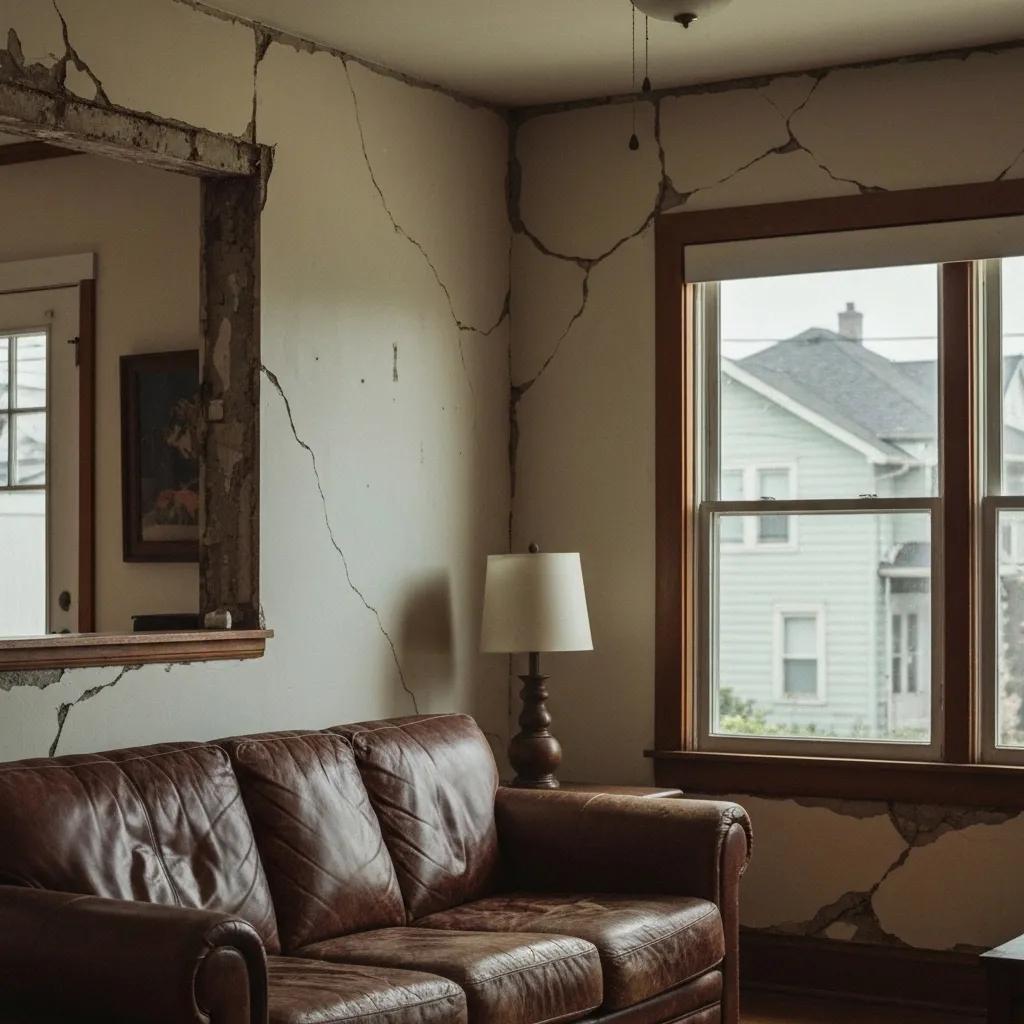
Foundation movement often shows up inside your home first as fine cracks and doors or windows that don’t line up right, even before you see obvious damage outside. Noticing these clues in your living spaces means you can get a professional check sooner rather than later.
Types of Cracks in Walls, Ceilings, and Floors Indicating Foundation Issues
The way cracks form can tell you a lot about the type and seriousness of structural shifts. Here’s a rundown of common crack types linked to foundation movement:
- Vertical Cracks – Straight lines in drywall or brick often mean minor settling. If they’re wider than 1/8 inch, it’s worth watching.
- Horizontal Cracks – These run parallel to the floor, usually in basement walls, and can signal pressure from water or soil pushing from the side.
- Stair-Step Cracks – Jagged cracks that follow the lines of mortar in brickwork are a classic sign of uneven settling.
- Hairline Cracks – Very fine surface cracks in plaster or drywall that might be the first hint of bigger structural issues.
Each type of crack suggests specific forces are at play, preparing us to look at how movement affects doors and windows.
How Sticking Doors and Windows Signal Foundation Movement
When your foundation shifts, it can warp the framing, causing doors and windows to stick or become difficult to open because the frames and thresholds are no longer aligned. This table shows the difference between normal operation and issues caused by foundation movement:
Notice how the way a door or window sticks can indicate specific types of settling. This leads us to look at sloping floors next.
How Uneven or Sloping Floors Reveal Foundation Settlement
Floors that aren’t level or seem to slope happen when different parts of your slab or floor joists sink at different rates. This uneven settling creates noticeable tilts and areas that feel “bouncy” when you walk on them. For instance, a floor that slopes toward an outside wall often means the soil under that side of the foundation has compacted. Seeing these kinds of irregularities is a clear sign you need a professional to check things out before the structural damage gets worse.
Gaps Between Walls, Ceilings, and Floors Indicate Foundation Health
Visible gaps, like those appearing at your baseboards, crown molding, or where walls meet the floor, indicate that your wall studs and ceiling joists are shifting away from the foundation. A gap that grows over time often means the movement is ongoing, suggesting continued settling or pressure pushing the walls outward. Keeping track of these gaps helps you assess interior symptoms before we move on to the exterior signs.
Exterior Signs Indicating Foundation Issues in Portland Homes
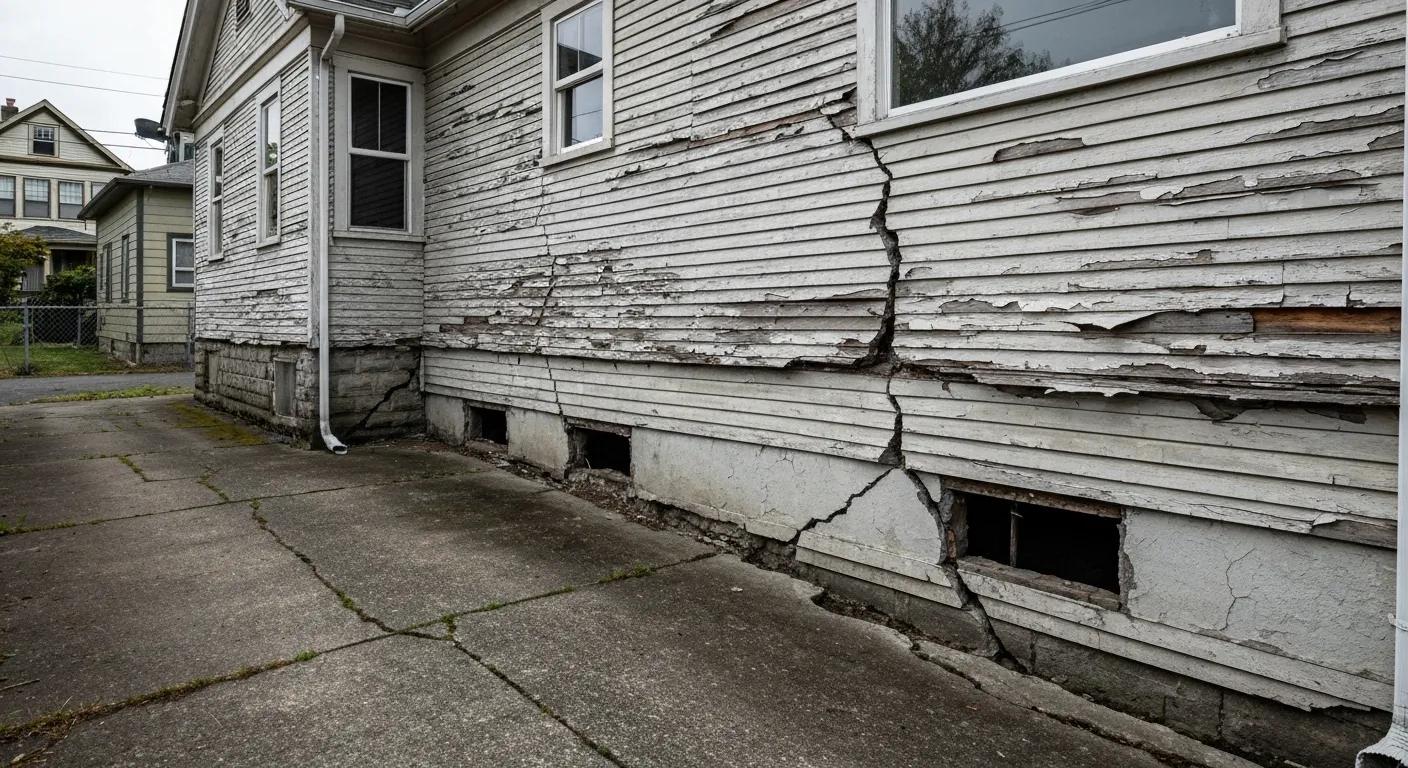
Exterior clues of foundation trouble offer clear, easy-to-spot evidence of underlying structural shifts. Noticing these signs outside complements what you see inside and helps in planning repairs.
Distinguishing Structural Cracks from Cosmetic Ones on the Exterior Foundation
Not all cracks mean you need major repairs. These details can help you tell the difference between cosmetic and structural damage:
- Cosmetic Cracks – Fine, hairline fissures in stucco or surface concrete with irregular edges that don’t get wider over time.
- Structural Cracks – Wider (over 1/4 inch), continuous cracks, often running horizontally or in a stair-step pattern, indicating significant soil pressure or settling.
Structural cracks need immediate attention, while cosmetic cracks can be monitored and sealed. Understanding this difference helps us move on to looking at bowing walls.
Causes of Basement Walls Bowing or Leaning
Pressure from the soil outside and water buildup can push basement or crawl space walls inward, causing them to bow or lean visibly. Saturated clay soils from winter rains exert pressure that weakens the walls, often leading to bulges in the middle. Catching inward bowing early prevents the wall from collapsing and sets the stage for professional reinforcement.
Chimney Separation as a Warning Sign of Foundation Settlement
When a foundation settles unevenly, heavier structures like brick chimneys can pull away from the main house. A gap between the chimney and the siding or wall next to it signals that the soil under the chimney’s footing has settled. Addressing this clue prevents the chimney from collapsing and causing further hazards.
How Poor Drainage Around the Foundation Contributes to Damage
When water can’t drain away properly, like with blocked gutters or downspouts that dump water near the foundation, it pools and soaks into the soil. This increases the pressure against the foundation. Wet soil swells against the footings, then shrinks as it dries, causing the foundation to move back and forth. Improving drainage controls moisture, reducing pressure and stress on your foundation.
Primary Causes of Foundation Problems in Portland, OR
Knowing the root causes helps homeowners prevent future issues. Portland’s unique environment and geology offer clues for protective strategies. Our team at Pier Foundation Repair Portland OR is experienced in addressing these local challenges.
How Expansive Clay Soils Affect Foundation Stability
The clay soils common in Portland swell when wet and shrink when dry, repeatedly pushing upward and sideways against footings. This cycle of expansion and contraction causes cracks from uneven settling and wall movement, making soil stabilization and good drainage essential.
The Role of Poor Water Management in Foundation Damage
Not directing rainwater away from your home can lead to foundation problems. Common issues include:
- Clogged gutters that spill over at the foundation line
- Improper grading that lets runoff collect near the footings
- Leaking pipes that saturate the soil under slabs
Fixing these water management issues stops moisture from causing soil shifts and stressing your foundation.
How Foundation Settlement Occurs and Its Types
Settlement happens when the soil supporting the foundation compresses under the building’s weight. There are two main types:
- Differential Settlement – When different parts of the foundation sink unevenly, causing cracks and misalignment.
- Uniform Settlement – When the entire foundation sinks evenly, which is usually less damaging but can affect utility lines.
Recognizing these patterns helps determine the right repair methods.
How Seismic Activity Impacts Portland Foundations
Portland’s location near fault lines means occasional tremors can shift soil layers and loosen the support under your foundation. Even minor earthquakes can start new cracks or make existing settlement worse, highlighting the need for strong, reinforced foundation solutions.
Portland’s seismic risks come from a subduction zone and local faults
When to Call a Professional Foundation Repair Contractor in Portland
You should reach out to our certified team when you notice any of these critical signs:
- Cracks wider than 1/4 inch in walls that support weight
- Several interior and exterior symptoms are showing up at the same time
- Cracks or bowing walls that are getting worse quickly
- Doors and windows that suddenly become hard to open or close
We suggest booking a free inspection right away to determine what’s going on underneath and prevent the problem from getting worse. We are experienced Foundation Repair Portland, OR professionals.
Foundation Repair Costs in Portland, OR
Foundation repair costs vary depending on the complexity of the job and the soil conditions, typically ranging from $5,000 to $15,000 for common pier installations and crack repairs. Understanding what drives the cost helps homeowners plan their budgets and look into financing.
Factors Influencing Foundation Repair Costs
The price of foundation repair depends on several factors:
These factors combine to determine the final price and guide your financing decisions.
Availability of Free Foundation Inspection Estimates in Portland
Yes, we provide free, no-obligation on-site foundation inspections and written cost estimates. Our free evaluation provides detailed findings and recommended solutions so you can make informed decisions without any upfront cost.
Financing Options for Foundation Repairs
We work with top lenders to offer flexible payment plans, low-interest loans, and deferred payment options. Financing makes essential repairs affordable by spreading the costs over time, ensuring you can protect your home without financial stress.
Foundation Repair Solutions Available for Portland Homes
Portland homeowners can choose from a variety of proven repair methods designed for local soil and structural needs. We tailor solutions based on inspection results and your budget. Our Foundation Repair Portland OR services are comprehensive.
How Helical and Push Piers Stabilize Foundations
Helical and push piers transfer the building’s weight to stable soil layers deep beneath unstable clay by driving steel shafts into the ground. This table compares these pier types:
Both offer permanent stability, stopping settlement and bringing floors back to level.
What Slab Jacking Is and When It Is Used
Slab jacking involves pumping a cement-like grout or polyurethane foam under sunken concrete slabs to lift them back into place. This cost-effective method is great for leveling driveways, walkways, and garage floors when the settling is moderate and accessible.
How Carbon Fiber Straps and Crack Repairs Are Performed
Carbon fiber straps strengthen bowing walls by bonding super-strong fibers across cracks, stopping further movement without major digging. Crack repair uses epoxy or polyurea injections to seal fissures and restore the wall’s integrity, suitable for fine horizontal and vertical cracks.
When Polyurethane Injection Is Recommended
Low-viscosity polyurethane resins injected into cracks expand to fill gaps and block water, stabilizing soil and sealing leaks. This modern technique is ideal for waterproofing basement slabs and stopping active water intrusion before more extensive underpinning is needed.
We encourage you to contact us to discuss the best solution for your home’s specific foundation needs.
We know how vital a stable foundation is for your Portland property’s safety and value. Our skilled team provides thorough inspections, precise diagnoses, and lasting repairs—all backed by free estimates and flexible financing. Get in touch today to secure your home’s foundation before small issues turn into big problems.